1. Stay back and describe the scene
Keep people and pets away and call. The team asks where the sharps are and who can reach the area.
Longmont, CO · Boulder County
Worried about what is hiding in drawers, bags or a vacant building in Longmont? Call (877) 812-4220. Crews check the whole space, collect sharps with tools and clean up afterward.
If anyone is in danger, call 911 first. For a suicide crisis, call or text 988.
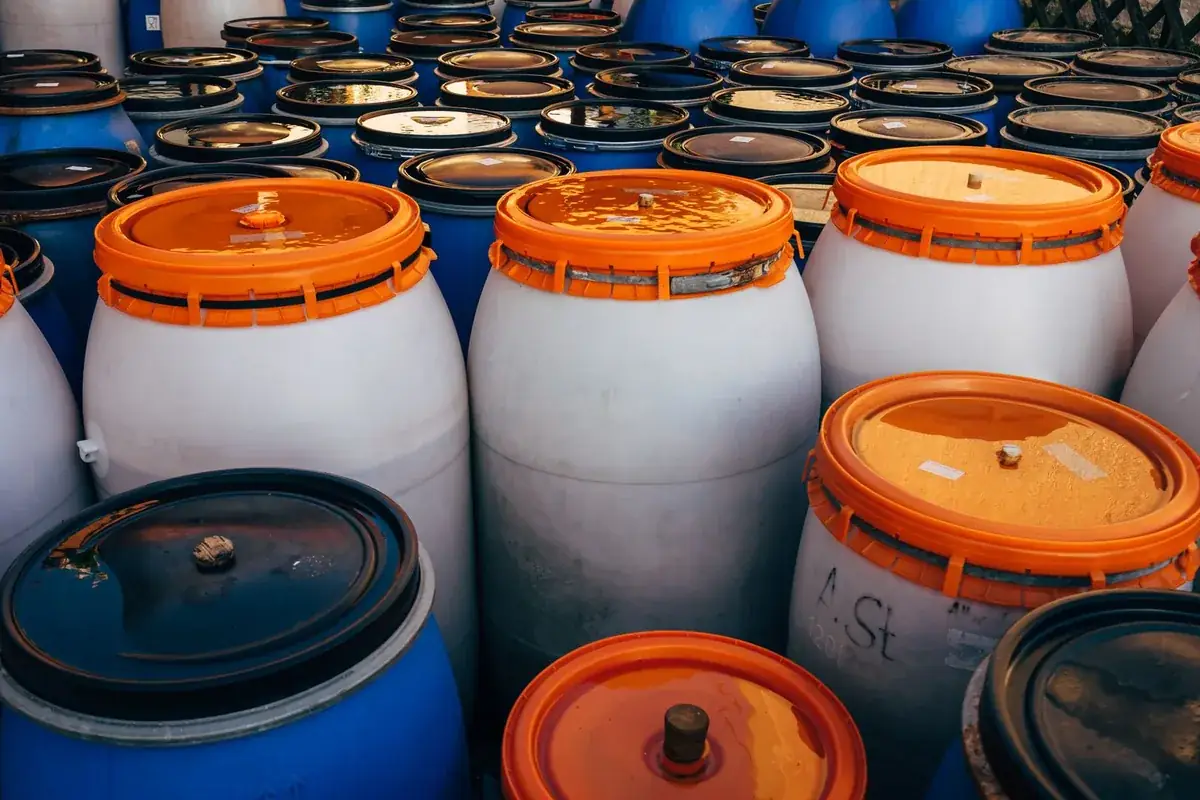
Used needle disposal means placing needles and syringes into rigid containers made to resist punctures, then sending them to a facility that treats medical waste. It keeps workers, children and pets safe.
If you find syringes while clearing a loved one's home in Longmont, you can call Longmont Biohazard Cleanup Help. Crews search drawers, bags and closets, and take care of the sharps so relatives in Boulder County never have to.
The vacancy rate in Longmont is only about 3%, so most needle calls come from occupied homes, rentals, yards and businesses. A stick, cut or splash should be checked by a doctor without delay. Longmont United Hospital in Longmont serves people in and around Longmont.
Needle & Sharps Cleanup in Longmont usually includes:
Keep people and pets away and call. The team asks where the sharps are and who can reach the area.
Cleanup technicians wear puncture-resistant gloves, eye protection and boots for the sweep.
Tools lift each sharp into a container. Lids are locked, and containers are labeled for transport.
Containers go to a facility that treats medical waste, and the owner can ask for a record of what was found.
The cost of needle & sharps cleanup in Longmont, CO depends on the amount of material, how it is packed and how it is hauled.
The size of the area is a major factor. A small patch of yard takes less time to search than a multi-room unit, a vacant building or a large lot.
| Type of job | Typical range |
|---|
Published ranges only (); every needle & sharps cleanup job in Longmont is priced after an on-site look. Price drivers include number of items, where they are found, whether a sweep of a large area is needed, waste disposal. Questions? Call (877) 812-4220.
No. Crews focus on safety and cleanup, not on why the needles are there. The team asks only what it needs to plan the work, and you decide what else to share.
Wash the area with soap and water and get medical care right away. Call 911 in an emergency, or Poison Control with exposure questions. Tell the doctor what happened and where the needle was found, if you know. Do not wait to see whether symptoms appear.
Loose needles should not go in household trash, because they can stab sanitation workers. Rules for small amounts of household sharps vary by city and county. The local health department can say what is allowed, and a cleanup team can take larger amounts.
They can be tucked into couch cushions, mattress seams, drawers, vents and ceiling tiles. That is why a sharps sweep covers more than the floor. Crews check hidden spots with tools and light before declaring a room clear.
No. Do not search for them yourself. Tell the team what you have seen and where, and the crew will check the rest of the space in protective gear. Searching by hand is how many sticks happen.
Some cities and counties collect found needles from public land at no charge, and many do not. Availability varies. The local health department or public works office can say what exists where you live, and a cleanup team can help with private property.
Ask about discreet arrival in an unmarked vehicle if privacy matters.
Call (877) 812-4220